
 See My Latest Article on HelloNation
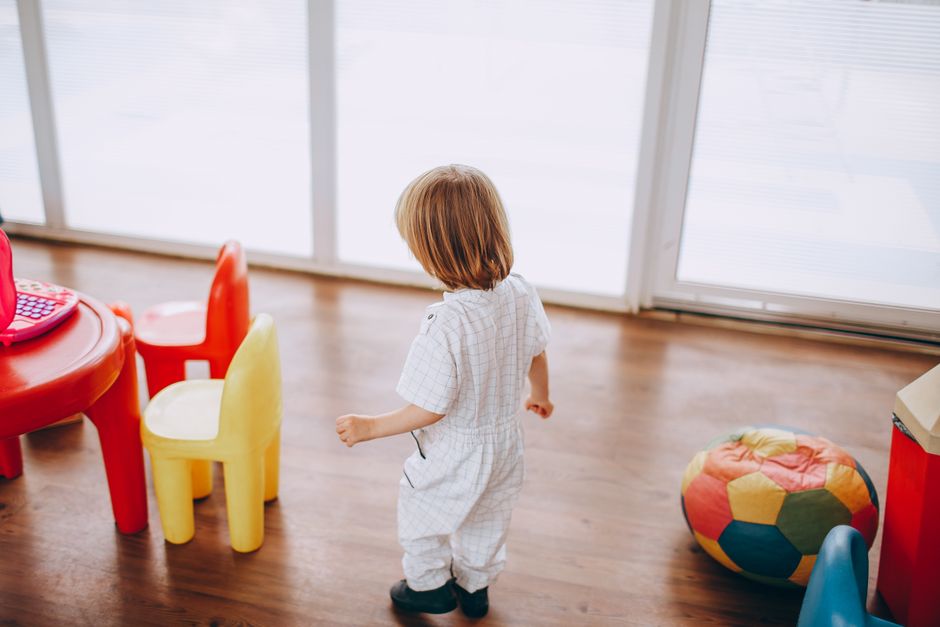
A toddler learning space does not need to be large, expensive, or separate from the rest of the home. A thoughtfully arranged corner with safe materials, clear boundaries, and room to move can support language, independence, problem-solving, and early social-emotional development.
For families in Amherst, a learning area may need to work within a variety of home layouts, including apartments, older houses, shared family spaces, and rooms that serve more than one purpose. The most useful setup is one that fits naturally into daily routines and can be adjusted as a child grows.
What should a toddler learning space include?
A good toddler learning space includes safe movement areas, a few accessible materials, a comfortable place to look at books, and opportunities for hands-on exploration. It should feel inviting without being crowded.
Toddlers learn through active participation. They need to touch, carry, stack, sort, pour, scribble, listen, and move. A space can support these experiences with simple household items and a small selection of age-appropriate toys.
Useful areas may include:
- A low shelf or basket for toys
- A washable mat for floor play
- A small table or sturdy surface for drawing and puzzles
- A comfortable spot for books
- A clear area for walking, building, dancing, or pretend play
- A container for rotating materials
The space does not have to look like a classroom. A corner of a family room, bedroom, kitchen, or enclosed porch may work well if it is safe and easy for the child to reach.
Where is the safest place to set it up?
Place the learning area away from stairs, cooking appliances, heavy furniture, cords, standing water, and frequently opened doors. Toddlers should be able to explore without constant exposure to hazards, while adults should still be able to supervise easily.
Before arranging furniture, look at the room from a toddler’s height. Get down near the floor and check what the child can see, reach, pull, open, or place in the mouth. Secure tall furniture to the wall, cover accessible outlets, and keep small objects away from children who still mouth materials.
Windows deserve special attention. Keep furniture away from window cords and use appropriate safety devices where needed. During colder months, check that portable heaters, radiators, and warm-air vents are not within reach. In warmer weather, make sure fans, screens, and open windows cannot create a fall or entanglement risk.
A learning area near the main family living space often works better than an isolated room because adults can supervise while preparing meals, folding laundry, or assisting another child.
How can the space encourage independence?
Toddlers become more independent when materials are visible, reachable, and returned to consistent locations. Low shelves, open baskets, and sturdy containers allow children to make choices without needing an adult to retrieve every item.
Offer only a few choices at a time. Too many toys can make it difficult for a toddler to focus or decide what to do. A simple arrangement might include:
- Two or three board books
- A container of large blocks
- A basic shape sorter or puzzle
- A basket with play dishes or fabric items
- Paper and thick crayons for supervised drawing
Use picture labels or simple words on containers when helpful. Toddlers may not read yet, but pictures can help them understand where materials belong. Cleanup becomes a learning activity when adults use short directions such as, “Blocks go in the basket.”
Independence does not mean expecting a toddler to manage the space alone. Adults can demonstrate, offer limited choices, and provide help when frustration becomes too high.
Which materials support early learning?
The strongest materials are open-ended items that can be used in several ways. Blocks may become towers, roads, houses, or pretend food. Fabric can become a blanket, cape, or picnic cloth. Cardboard boxes can support building and imaginative play.
Materials that often encourage toddler development include:
- Large blocks for stacking and balancing
- Chunky puzzles for visual and problem-solving skills
- Board books for vocabulary and shared attention
- Large crayons and plain paper for early mark-making
- Cups, spoons, and containers for supervised transferring and sorting
- Toy animals, dolls, or figures for pretend play
- Soft balls for rolling and coordination
- Music shakers or homemade instruments used with supervision
Avoid materials with loose magnets, button batteries, sharp edges, or small parts that can cause choking. Check toys regularly for cracks, broken pieces, peeling surfaces, or parts that can detach.
Household objects can be useful, but they should be selected carefully. A toddler may see a coin, plastic bag, medication container, or cleaning product as a toy. Keep unsafe items completely separate from the learning space.
How should books and art materials be arranged?
Books should be placed with their covers facing outward when possible. Toddlers often choose books based on the picture, and seeing the cover makes independent selection easier. Keep a small number available and rotate them every several days or when interest declines.
Choose books with sturdy pages, clear pictures, repeated phrases, and familiar experiences. Reading does not require a child to sit still from beginning to end. Pointing, naming pictures, asking simple questions, and talking about the illustrations all support language development.
Art materials require close supervision. Use washable supplies on a protected surface, and provide only materials designed for young children. Large crayons, plain paper, and a few stickers may be enough. Keep paint, glue, scissors, and other materials stored out of reach until an adult is ready to participate.
In Amherst homes, seasonal conditions may affect how often messy play can move outdoors. A washable mat, tray, or table covering can make indoor exploration more manageable during rainy, cold, or snowy periods.
How much structure does a toddler need?
Toddlers benefit from predictable routines but do not need a rigid lesson schedule. The learning space can support brief periods of focused activity followed by movement, snack, rest, or outdoor play.
A simple rhythm may look like:
- Choose one activity
- Explore with adult support nearby
- Help return materials
- Move to a different activity or daily routine
Follow the child’s interests. If a toddler repeatedly fills and empties a container, add cups, large blocks, or fabric pieces for safe transferring. If the child is interested in books about animals, include toy animals and invite simple pretend play.
Short attention spans are normal. A toddler may use a material for two minutes, leave it, and return later. Learning is still taking place through repetition, experimentation, and observation.
How often should the learning area change?
Change a small number of materials at a time rather than replacing everything. Rotating toys every week or two can renew interest while keeping the environment familiar.
Watch for signs that the setup needs adjustment. Materials may be too difficult if a child consistently throws them away or becomes upset quickly. They may be too easy if the child uses them only briefly and shows no interest in returning. Add challenge gradually by changing the size, number, or arrangement of materials.
The space should also change as mobility develops. A newly walking toddler may need more open floor area, while an older toddler may benefit from a low table for drawing, matching, or simple practical tasks.
What are common mistakes to avoid?
A learning space can become less effective when it is designed mainly for appearance rather than use. Common problems include:
- Too many toys available at once
- Furniture that tips or blocks supervision
- Materials placed too high for the child to reach
- Fragile decorations within grabbing distance
- Activities that require constant adult correction
- Expectations that a toddler will remain seated for long periods
- Items that are difficult to clean or maintain
The goal is not a perfect room. A safe, flexible area that supports conversation, movement, and exploration is more valuable than an elaborate arrangement.
Adults can strengthen learning simply by joining the child occasionally, describing what is happening, waiting for the child to respond, and allowing safe trial and error. Everyday play in a well-prepared space gives toddlers meaningful practice with communication, coordination, independence, and curiosity.